Our healthcare system has a gap. Community health workers close it.
WHY CHWs?

What is a community health worker?
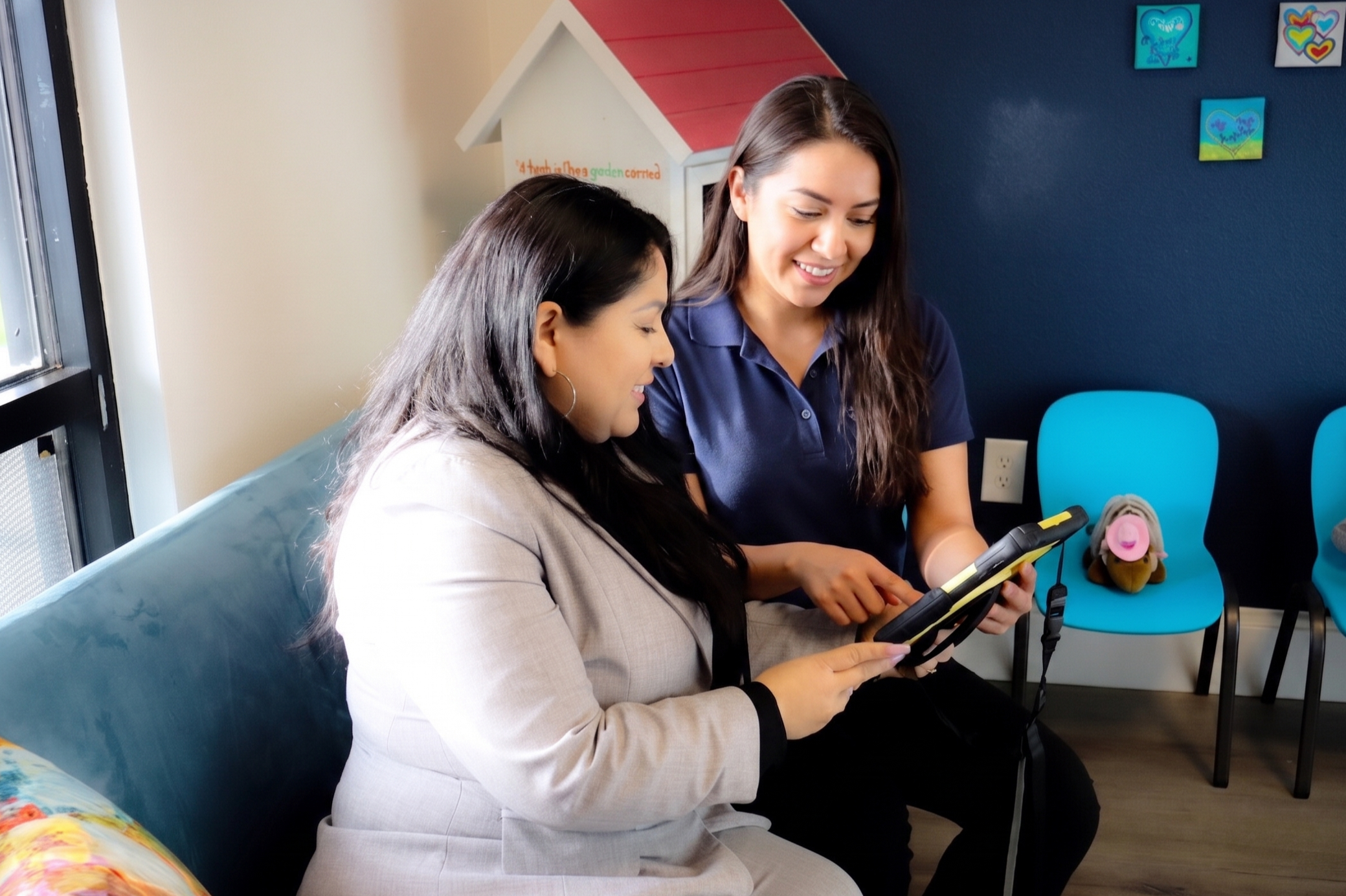



Neither doctors nor nurses, CHWs are something the clinical setting has never been able to replicate on its own:
a trained and trusted neighbor who happens to know how to navigate the health system on your behalf.
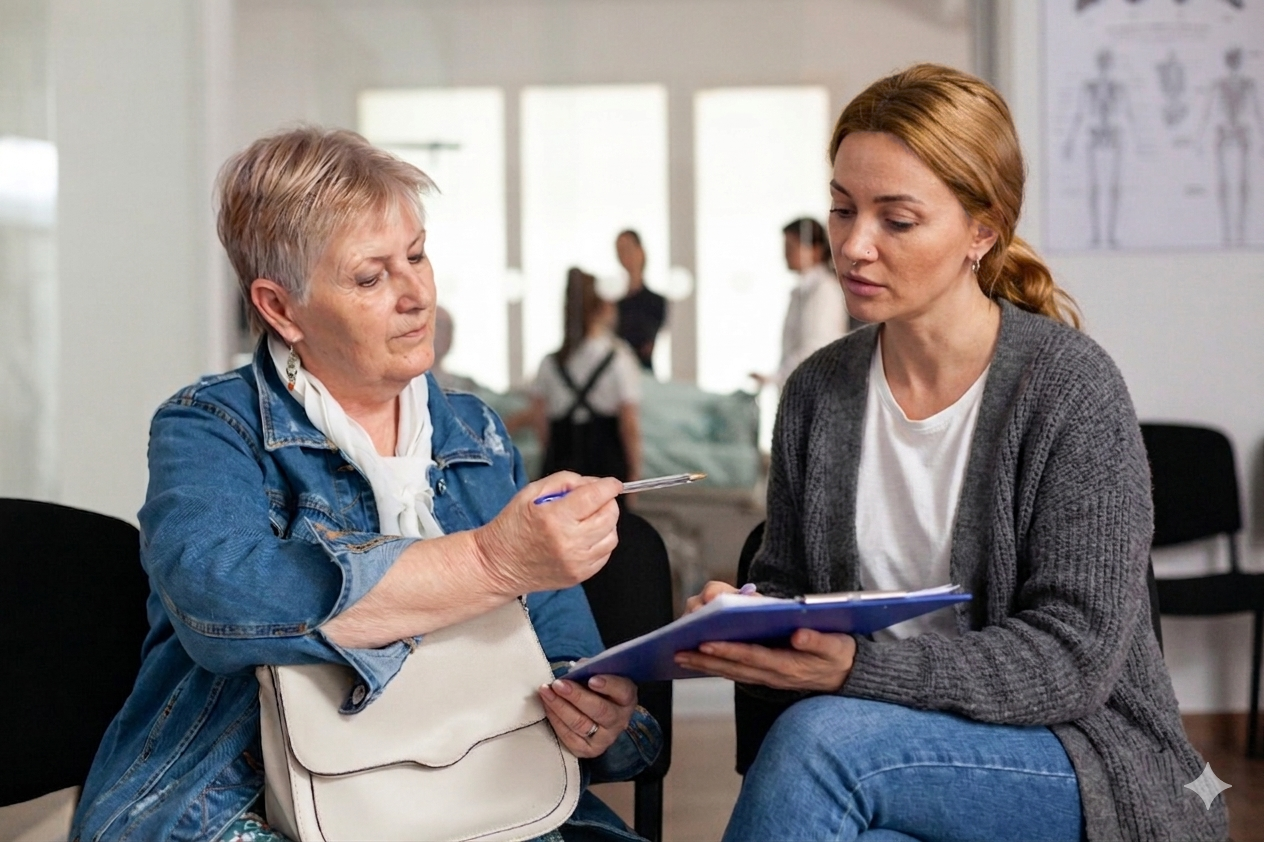
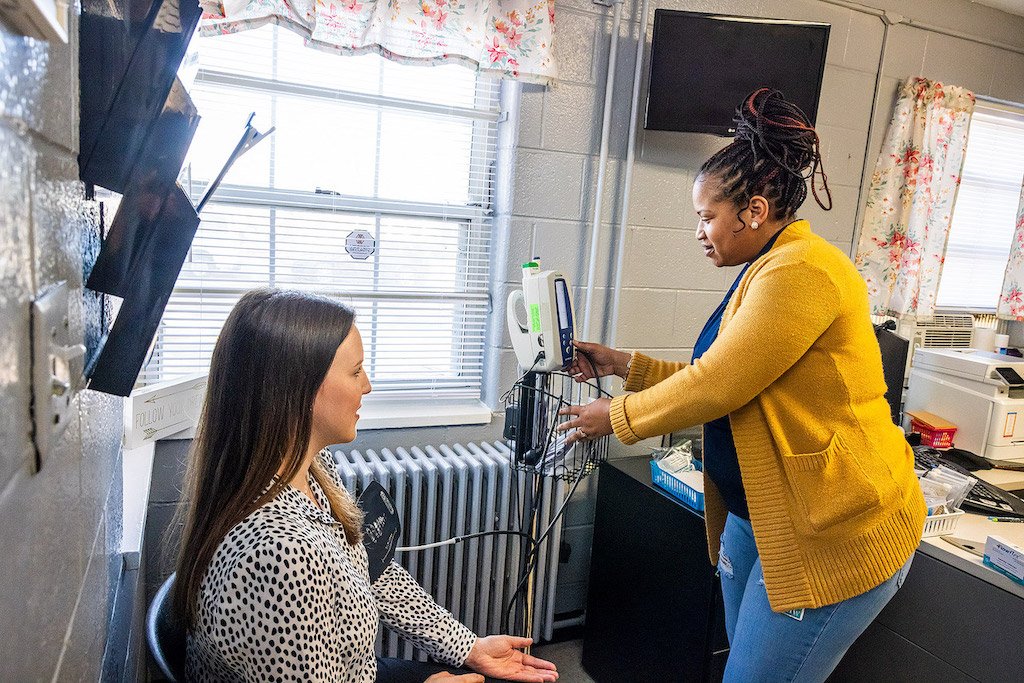
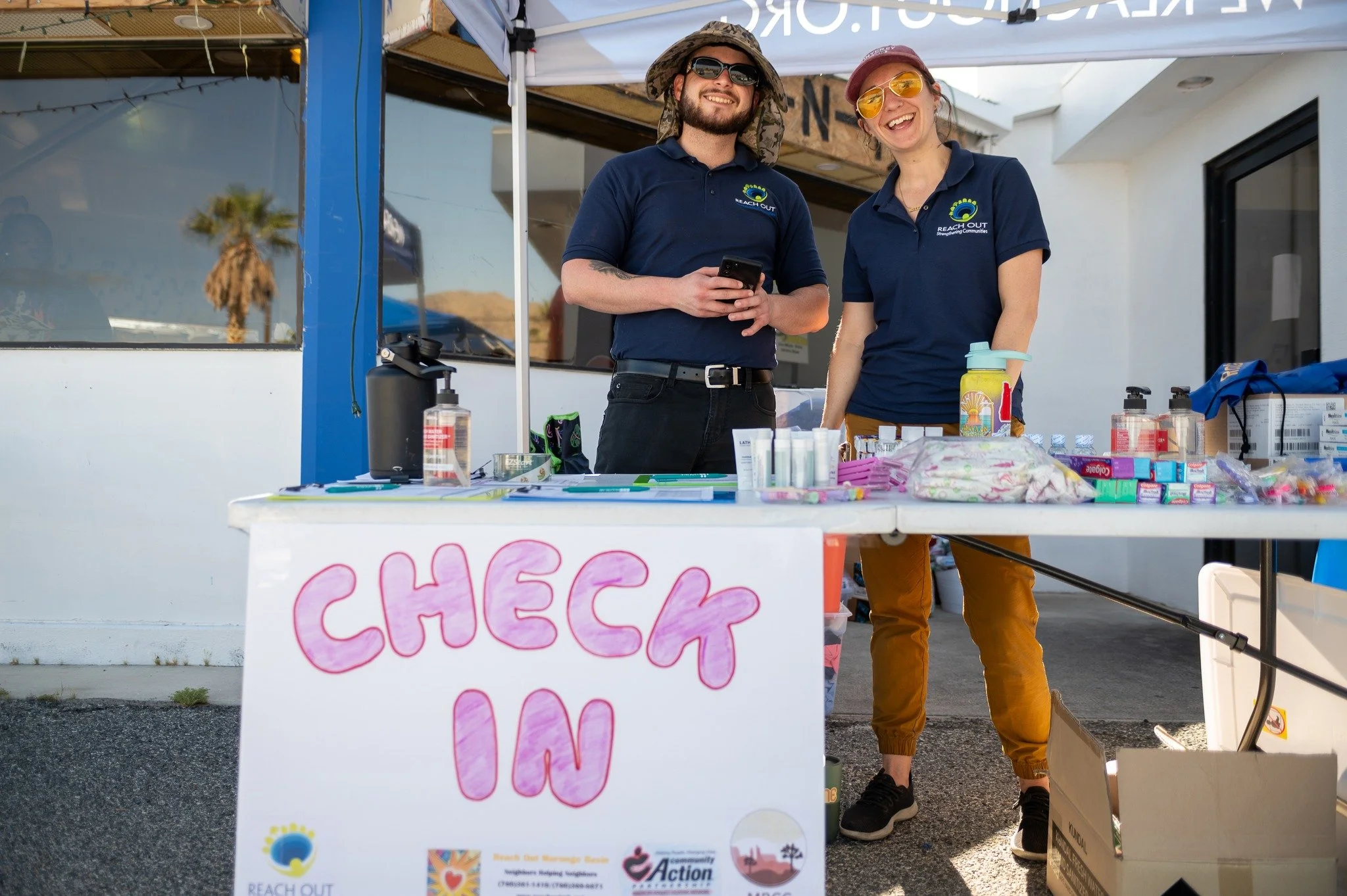
As frontline public health professionals, CHWs serves as a bridge between individuals and the healthcare, behavioral health, and social service systems they depend on. They are deeply connected to and often members of the communities they serve, and that shared identity is not incidental. It is the foundation of everything that makes the role work.
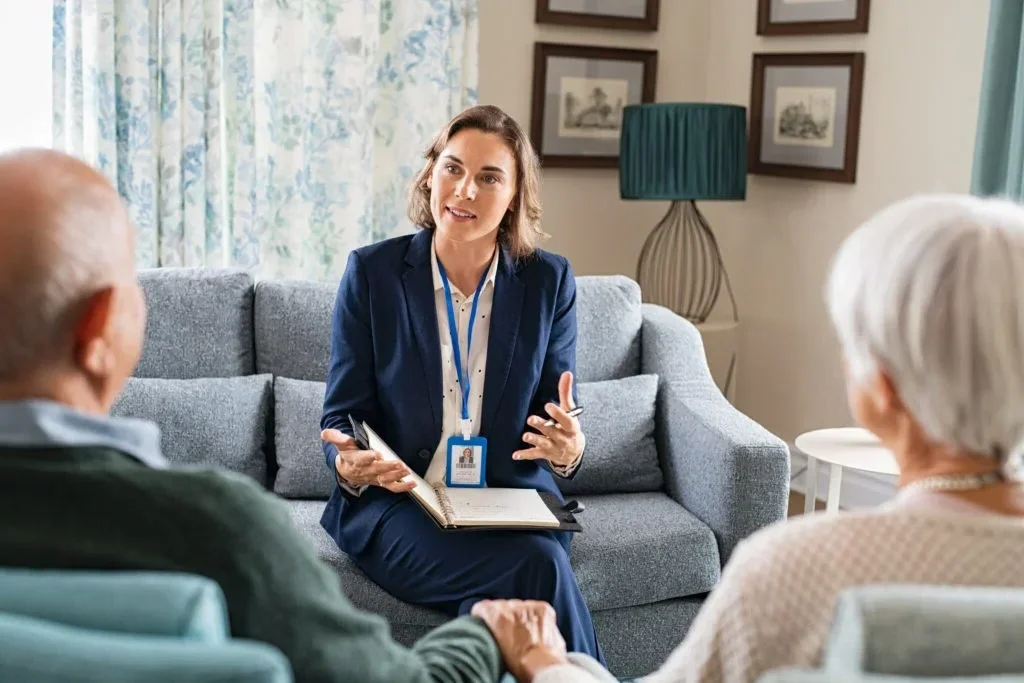
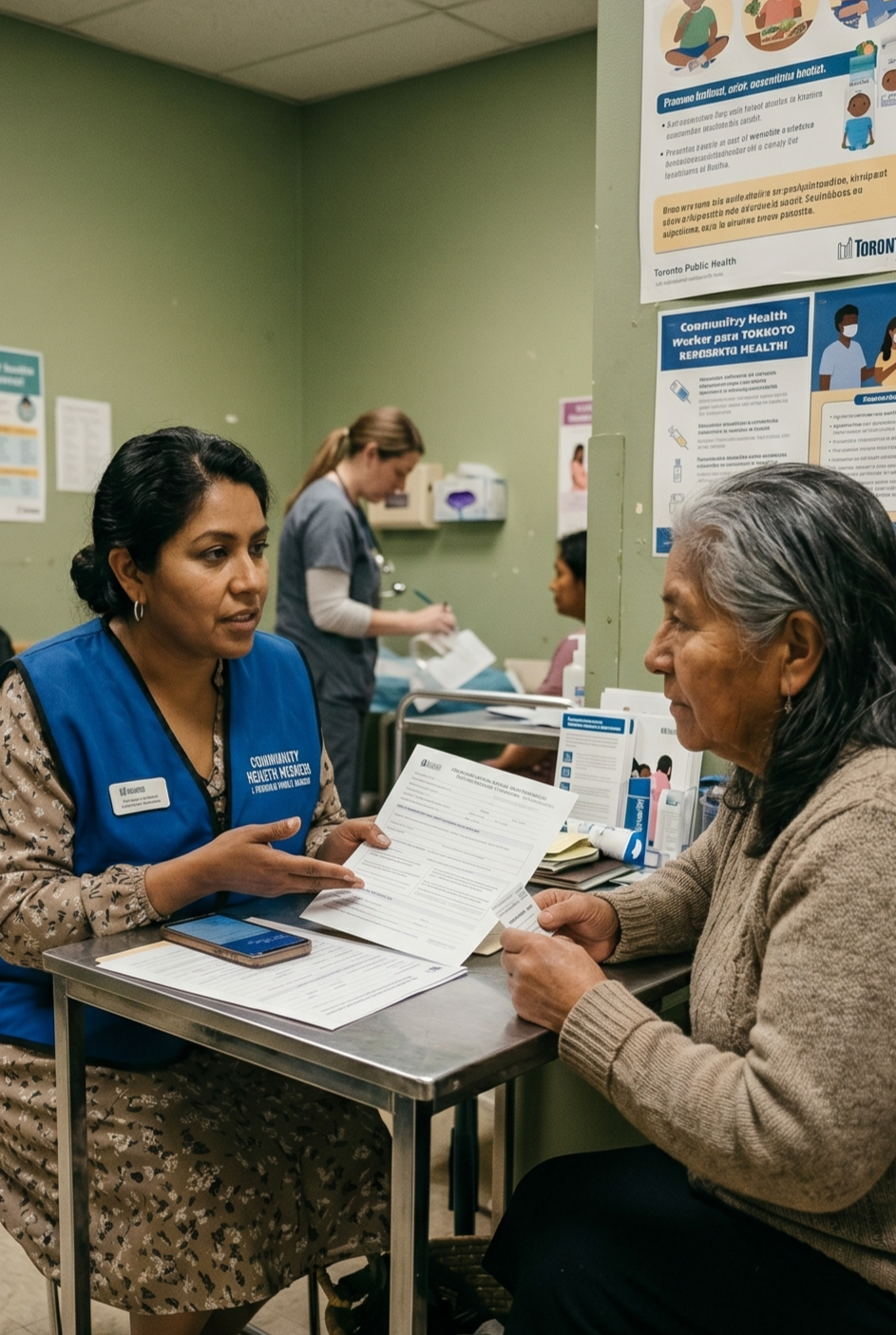
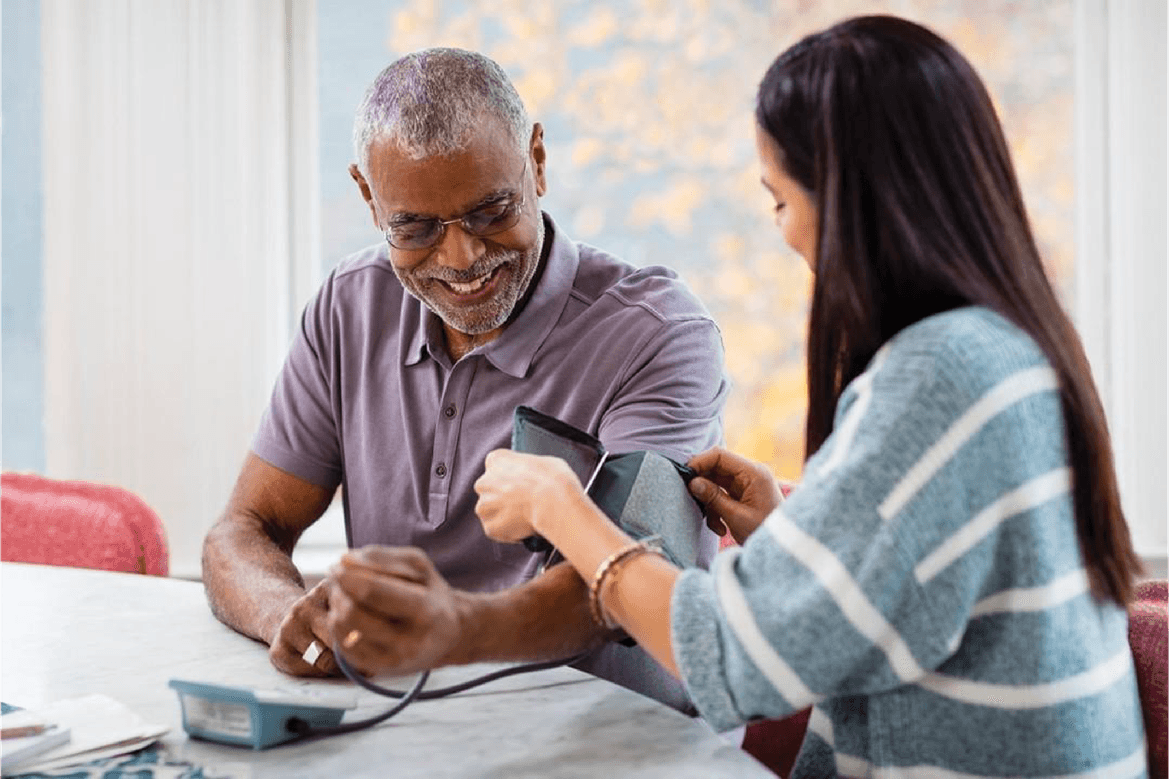
Where a clinical provider has minutes per visit and a chart to fill out, CHWs have the time and training to form an intimate client relationship. They make home visits, help patients navigate benefits, and translate language and complexity into actionable steps that community members can follow, empowering them to engage in their own care.
The result is a more connected, more effective, and more equitable healthcare system.
The numbers tell the story.
11%
job growth
projected through 2034, nearly 4x the national average growth rate for all occupations (3%)
38%
cost reduction
Oin a Penn Medicine study where CHWs were part of the care team versus when they were not
$2.47
returned
On average, $2.47 is returned to a Medicaid payer for every $1 invested in hiring CHWs
SOCIAL DETERMINENTS OF HEALTH
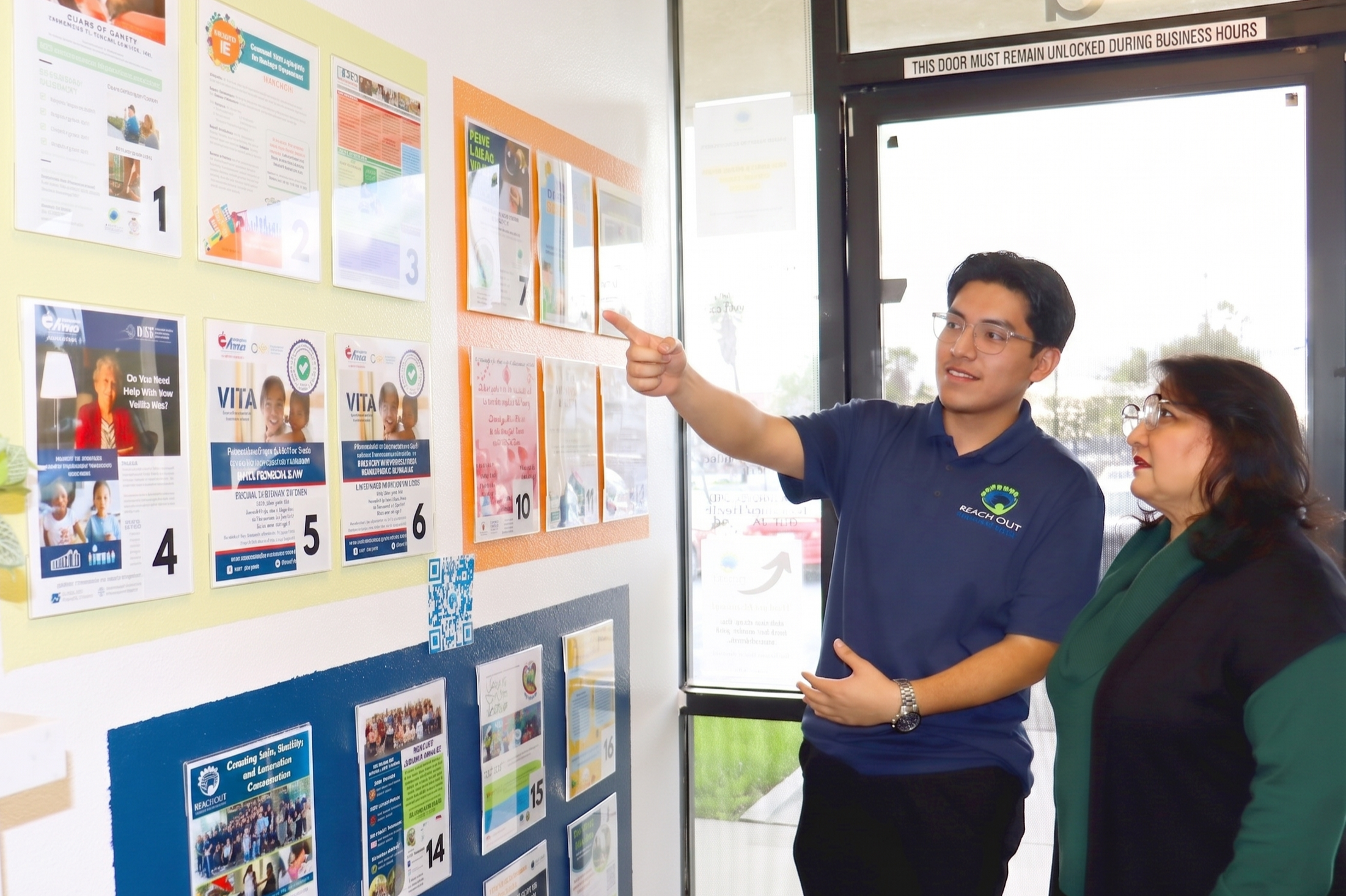
CHWs are trained to see the whole picture.
CHWs are trained to understand and help patients navigate the social determinants of health – the myriad of factors and decisions that take place outside the clinic that are influential to their health outcomes.

Health outcomes are shaped by more than what happens inside the clinic.
Where someone lives, whether they have reliable transportation, what they eat, whether they feel safe in their neighborhood or trust the healthcare system at all — these are the social determinants of health. These factors are among the strongest predictors of whether a patient will stay well, follow their care plan, or end up back in the emergency room.

CHWs are trained to gather the information that often goes missing.
Clinical providers rarely have the time to address these vital factors, but CHWs do. By working directly in the community and building genuine relationships with patients, they can identify and navigate the social barriers that shape health long before they become acute medical problems. This upstream intervention is one of the most cost-effective tools available to health organizations today — and one of the most human.
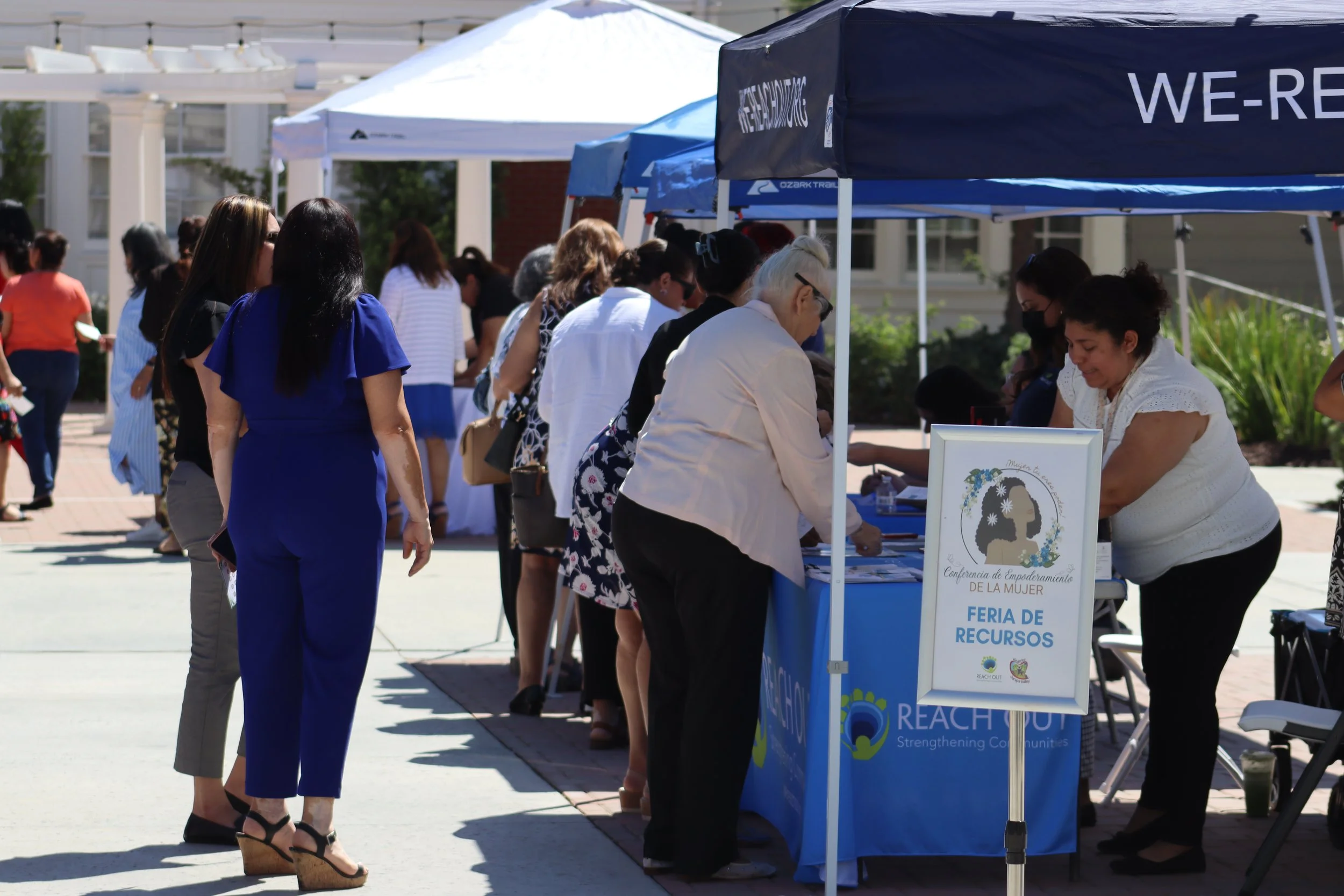
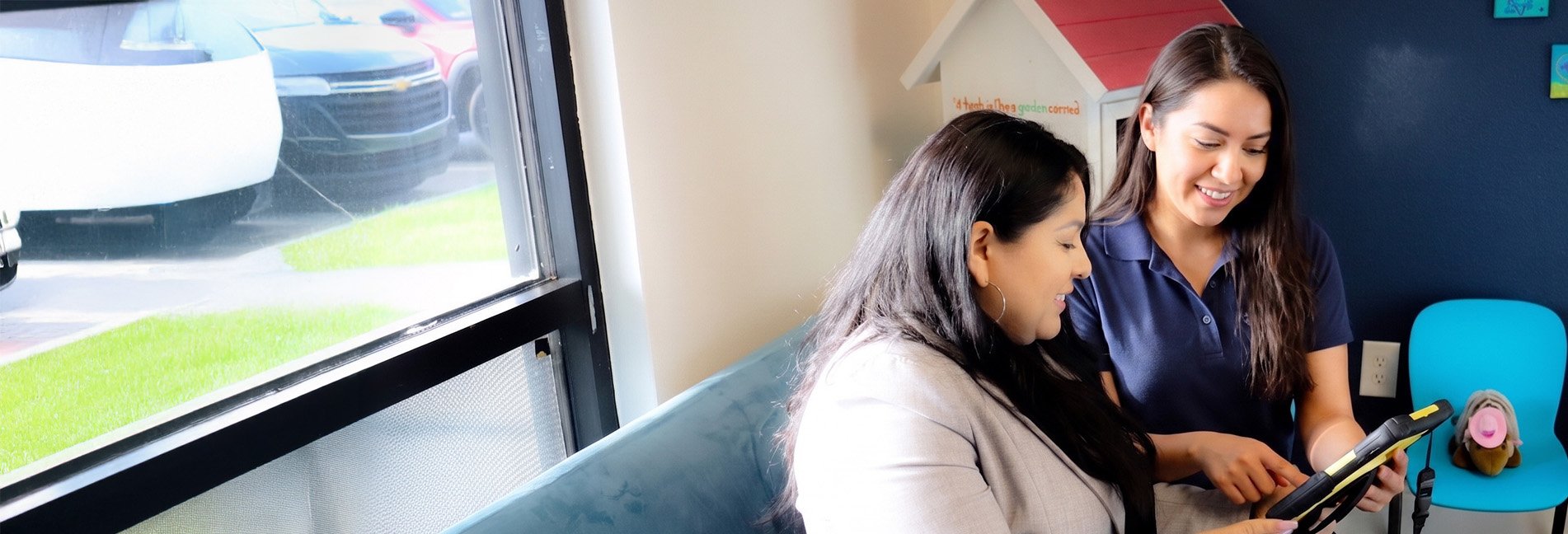
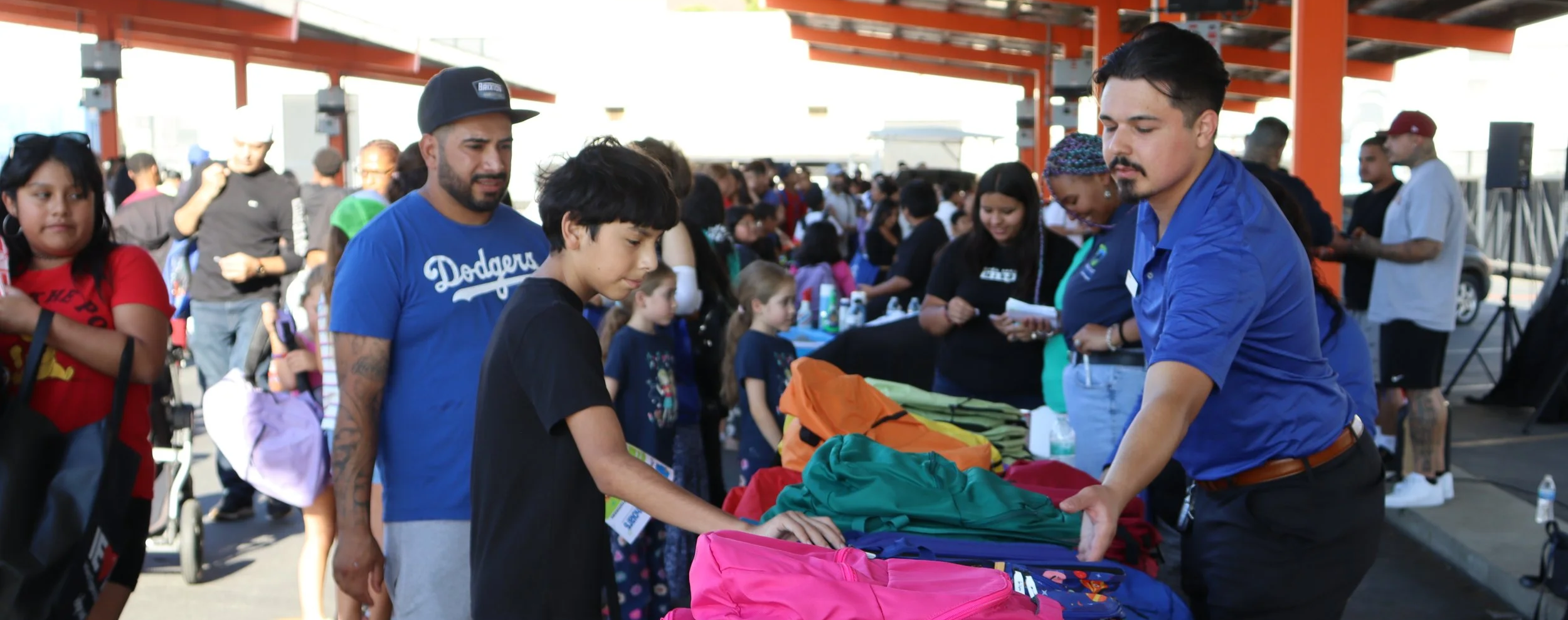
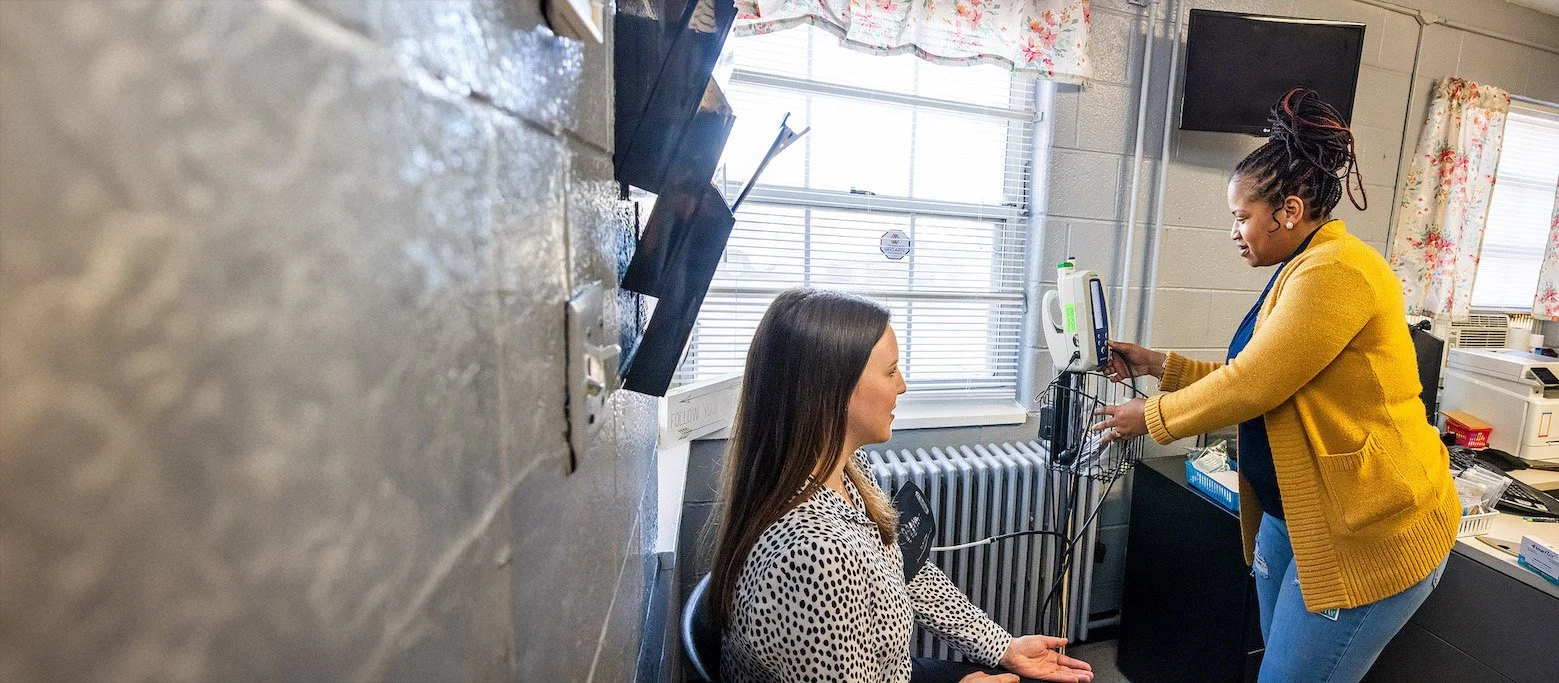
What CHWs do:
What CHWs do:



“This program has changed the way we show up for the LGBTQ+ community, and it’s shown us how to think outside of the box when it comes to providing resources.”
– Ashley Johnson, Client Support Specialist at TruEvolution
CHW Program Graduate, Class of April 2026
EMPLOYMENT
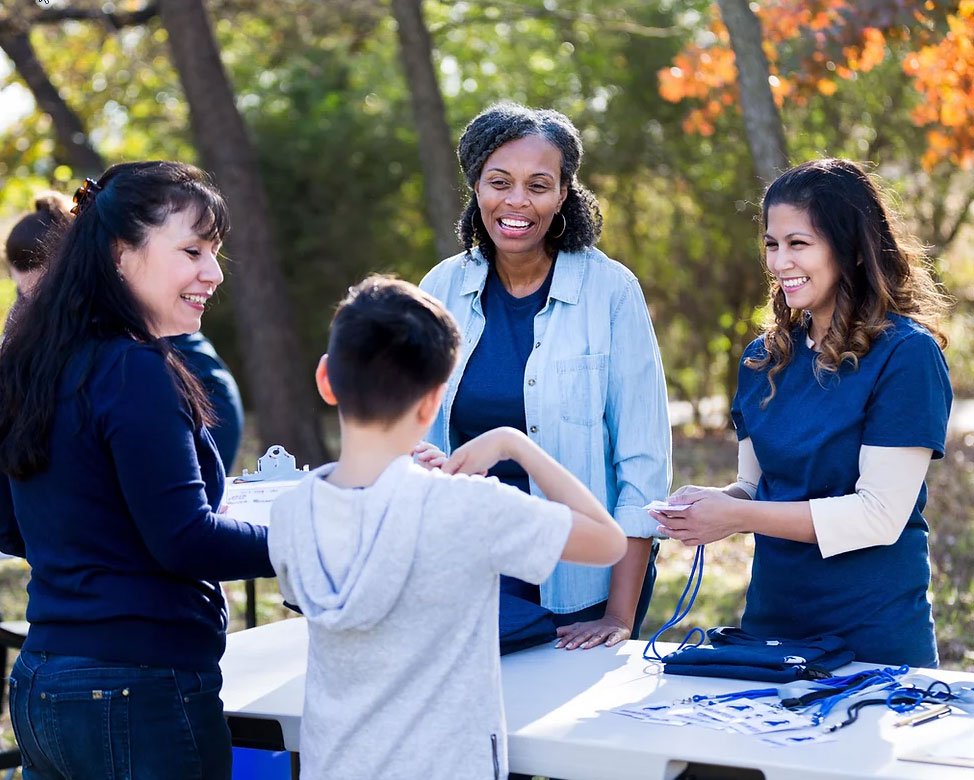
CHWs are employed across a broad, growing range of organizations.
Anywhere people need support navigating the intersection of health, social services, and real life, CHWs can be found.
Hospital & Health Systems
Community Clinics
Public Health Agencies
Social & Human Services Orgs
Specialty Outpatient Clinics
CBOs and Nonprofits
Academic Medical Centers
Managed Care & Health Plans
COMPETITIVE WAGES
$25 per hour
average hourly pay rate for CHWs in California
STRONG REIMBURSEMENT
$55 per hour
current reimbursable rate billable to Medi-Cal
CHWs generate value across the entire healthcare system.
What makes the CHW model so compelling is that the value doesn't flow in one direction. It creates real, measurable benefits for every stakeholder in the healthcare ecosystem.
PATIENTS
Patients finally get the time and 1:1 attention they've been missing.

CHWs provide the 1:1 support, cultural competence, and trusted guidance that patients often cannot access through the clinical system alone – especially those from underserved communities. Greater understanding of their care leads to greater adherence to their care plans, and greater adherence in effect leads to better health outcomes.
CLINICS
Clinics gain capacity, operational efficiency, and a new revenue stream.
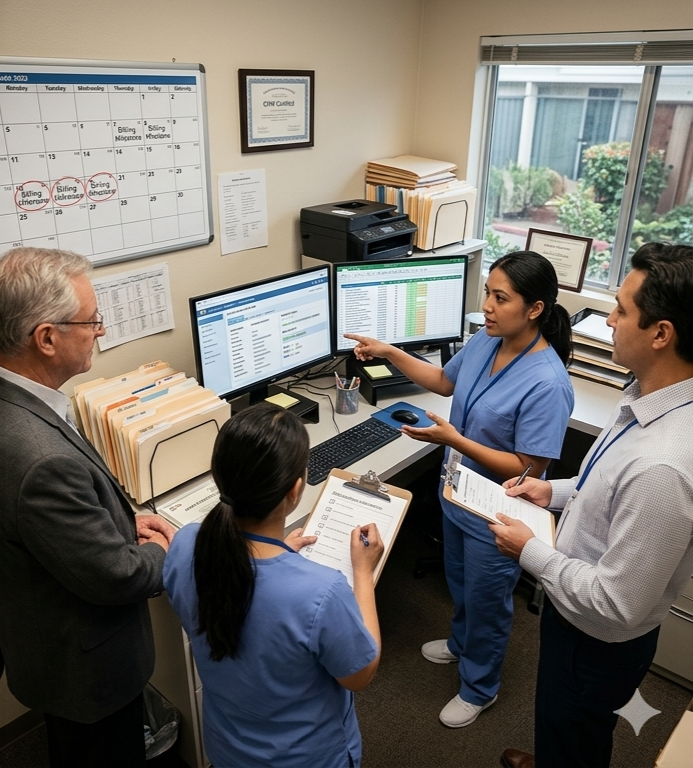
At a time when clinical labor costs continue to rise and nursing shortages show no sign of abating, CHWs offer a cost-effective way to expand care capacity without adding high-cost clinical headcount. And because CHW services are now reimbursable under Medi-Cal at $55/hour, a well-structured CHW program not only reduces costs, it actively generates revenue. Studies of CHW programs in US-based communities have demonstrated returns of nearly $3 for every $1 invested.
MEDI-CAL
Medi-Cal and the broader healthcare system save money over time.
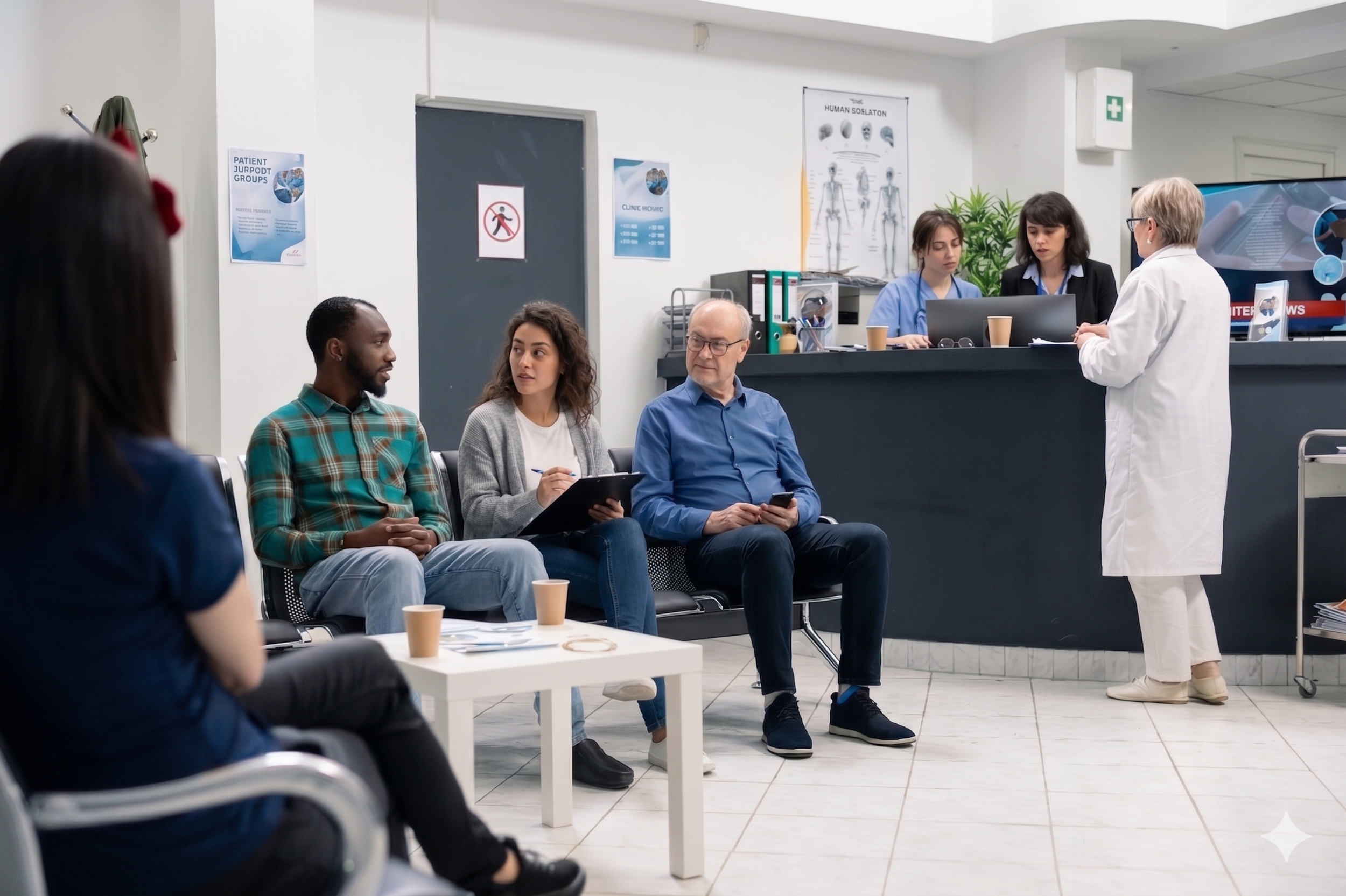
When patients receive proactive, community-based support, data shows that they're less likely to defer care, miss appointments, or require costly acute interventions. Medi-Cal's decision to reimburse CHW services reflects a growing institutional recognition that this kind of upstream investment pays for itself.
The bottom line is simple >
Patients win.
Clinics win.
The system wins.